Here, you'll find application examples and don'ts for CGI images.

Present products and environments with precise, accurate proportions.
Maintain realistic forms and perspectives.
Ensure real humans are seamlessly integrated into their surroundings.


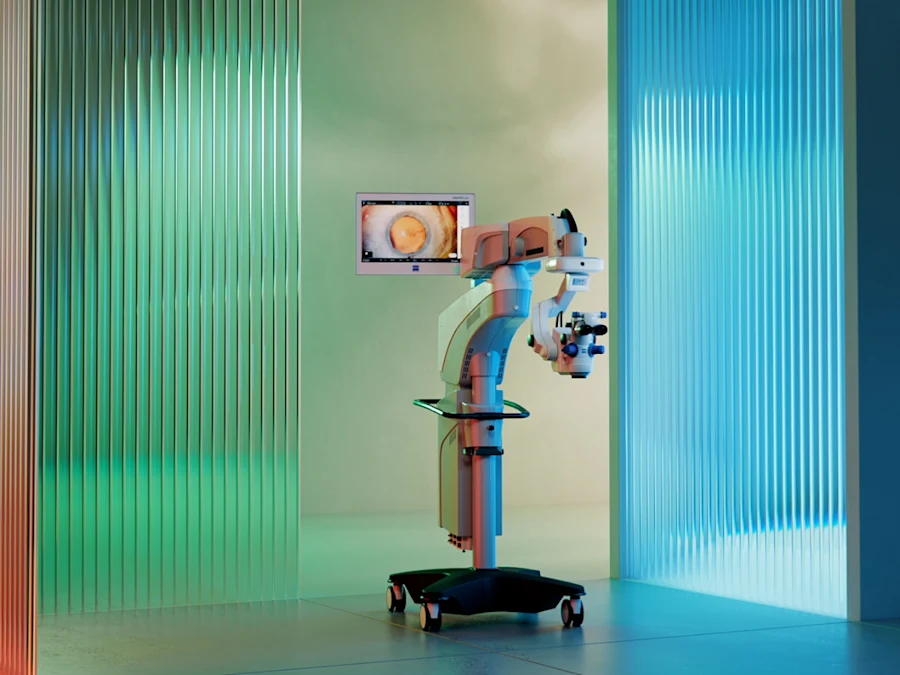
Use physically accurate material properties with correct reflection and refraction.
Reflect real-world optical characteristics.
Achieve subtle realism through fine texture details and refined light interaction.
Maintain believable gloss and material behavior that support visual credibility.

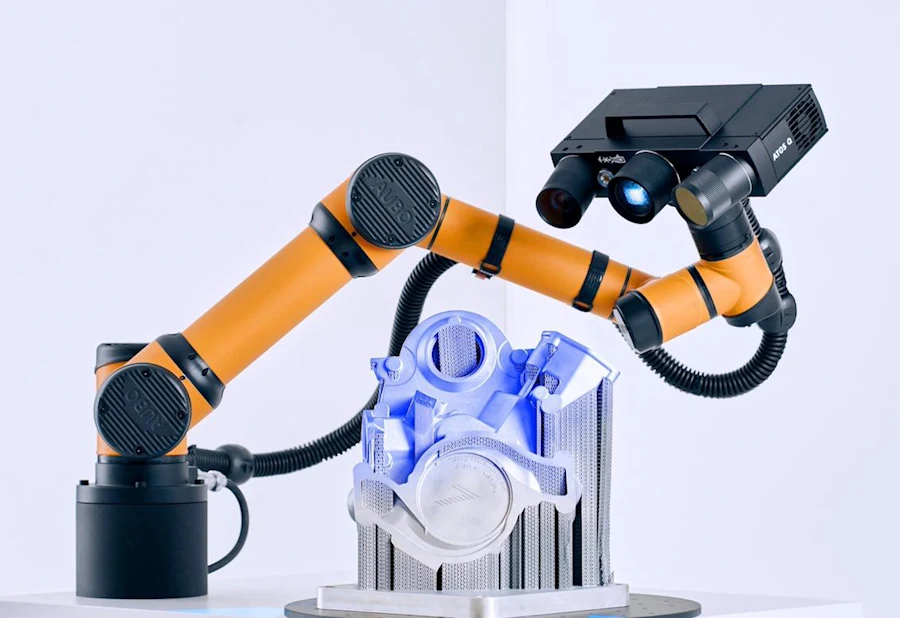


Use studio-grade lighting with refined cinematic elegance.
Apply precisely controlled highlights on surfaces.
Emphasize the product’s form and material subtly.
Reserve dramatic or theatrical lighting for showcasing optical properties.
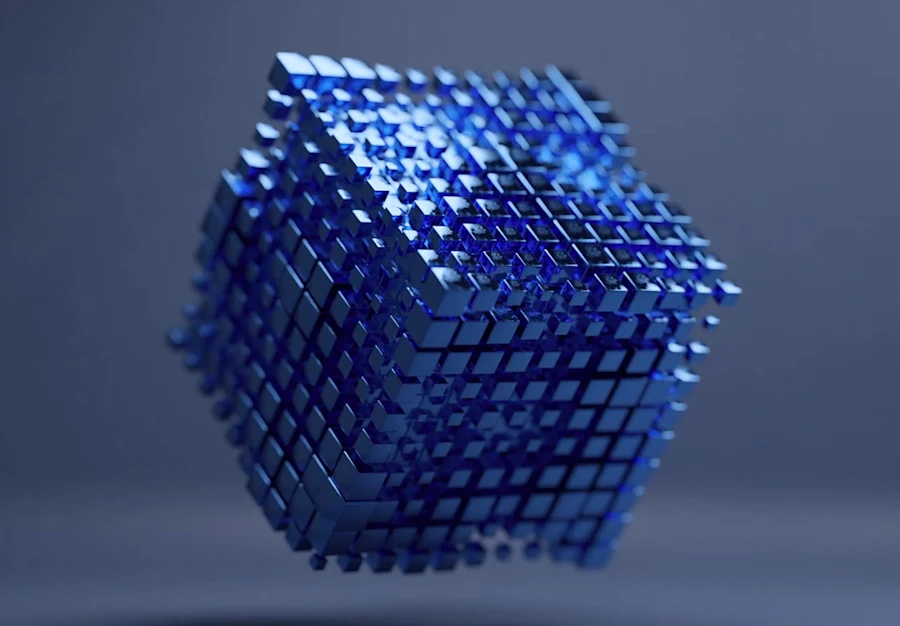

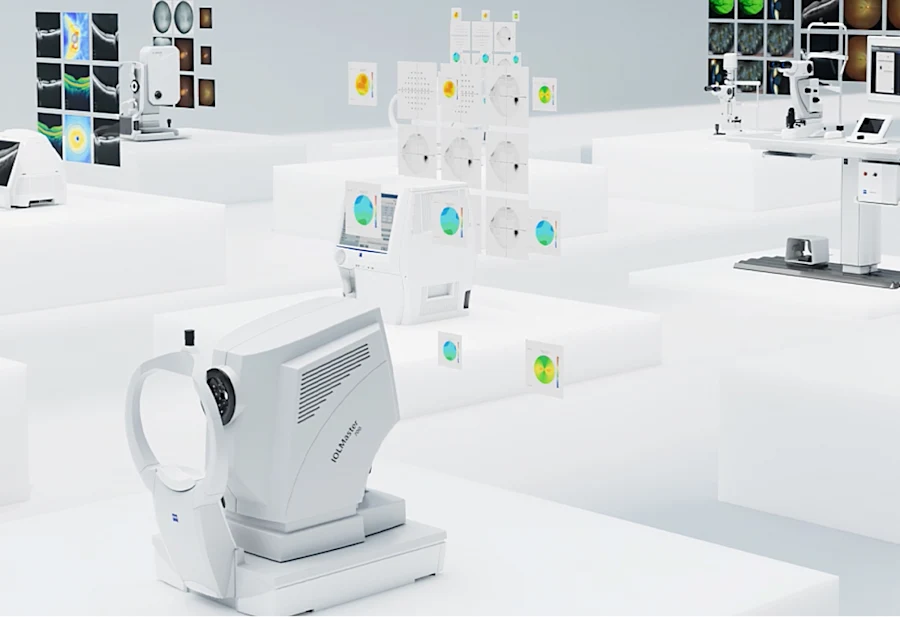
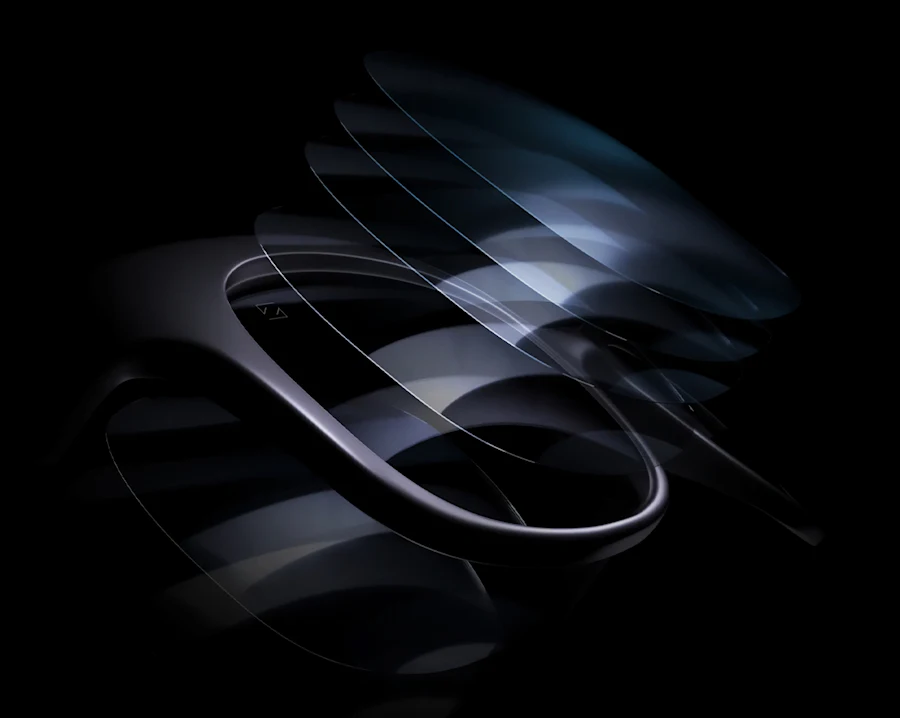
Aim for a refined, controlled aesthetic.
Keep the focus on the main subject. Backgrounds should support, not compete.
Ensure quality and finish are consistent with ZEISS photography guidelines.
Use precise movements that reflect actual function.
Maintain smooth camera paths with intentional framing.
Ensure timing makes it easy to understand.
Keep motion grounded in realistic physics and natural dynamics.

People created entirely in CGI

Extreme and dramatic points of view

Artificially colored backgrounds or gradients

Visual metaphors of any kind

Generic and overused symbols

Cartoon style

Trendy, futuristic moods
Corporate Brand, Communications & Public Affairs