
As a foundation-owned company, sustainability and business success are inextricably linked at ZEISS. Sustainable value creation is an integral part of the company's business activity, which focuses on providing innovative solutions that contribute to positive development in society and enable long-term, profitable growth.
ZEISS' commitment to sustainability is firmly anchored in the corporate strategy, the #agenda25. The strategy aims to improve the social and environmental impact of business operations, view sustainability as a value driver, and leverage sustainability challenges as opportunities.
ZEISS pledges its commitment to the global Sustainable Development Goals (SDGs) that were adopted by the United Nations in the fall of 2015. The 17 goals indicate what needs to be achieved by 2030 and call on companies, politicians, and society to play their part. In an extensive analysis, six goals were identified where ZEISS can have the greatest impact on people, the environment, and society through its business processes, product portfolio, and services:
SDG 3 – Health and well-being
SDG 4 – Quality education
SDG 8 – Decent work and economic growth
SDG 9 – Industry, innovation, and infrastructure
SDG 12 – Responsible consumption and production
SDG 13 – Climate action
Sustainability aspects are playing an increasingly important role in companies' consumer communication. This information that companies publish influences the purchaser decision process and helps sustainable products to gain acceptance in the market. However, purchaser can only make these decisions if the environmental claims, sustainability seals and service life information that companies provide on their products and their business activities are reliable. In the eyes of the law, the relevant information must therefore be issued in a clear and understandable format. As a consequence, it will be more and more important for companies to be as specific as possible in formulating their environmental and sustainability claims and to provide evidence to substantiate these claims. In addition to products and services, EmpCo requirements also cover claims about the companies' activities in their business communication – regardless of the type of communication (e.g. company website, social media channels, newsletter, print advertising).
All the key information on EmpCo has been compiled in these guidelines.
EmpCo must be implemented nationally from September 27, 2026 – there is no transition period. Any external communication where there is little control over distribution (e.g., brochures, packaging, or posters) should be created in line with the new requirements as soon as possible.
This means environmental claims must meet EmpCo's legal requirements as soon as the law comes into force. Most notably, companies must adapt their website accordingly. When creating advertising materials, product packaging, et cetera, please follow the EmpCo Directive to ensure that all materials are legally compliant when published on or after September 27, 2026. A list of affected channels can be found in the guidelines.
However, any published advertising materials containing environmental claims (e.g., social media posts, email newsletters) do not need to be removed or edited retroactively.
The EmpCo Directive primarily affects communication with consumers. Nevertheless, we also recommend adapting internal communication to the new Directive so that it can also be used externally.
Individual segments and countries are responsible for implementing the Directive. Questions about content can be sent to brand@zeiss.com.
Any employee at ZEISS who is responsible for making claims about the environment and sustainability must follow EmpCo rules. To ensure ZEISS communicates consistently to the outside world (one-voice communication), EmpCo will be applied globally at ZEISS – including in non-EU countries.
Only sustainability targets set by ZEISS can be used for external positioning. Individual SBU-specific (intermediate) targets must not be communicated externally because they are for internal control purposes only. Claims made about "future environmental performance" must be substantiated using detailed and realistic implementation plans. Simply linking to the Sustainability Report as an implementation plan is not sufficient.


The license for photo and video materials for the current main image will expire at the end of 2026. We therefore have a new image pool that supplies motifs for sustainability communication.

There is an AI assistant for the EmpCo Directive to support you in your work. It uses a red-yellow-green system to help you evaluate whether content conforms with EmpCo. It is designed solely as a sparring partner; it does not replace legal advice. It also cannot be used for approval processes.
Discover the sustainability activities of ZEISS by downloading the latest sustainability report as well as previous ones from our sustainability report homepage.
The Sustainability Kit contains images and videos all about the topic of sustainability at ZEISS and is used exclusively to communicate this strategic topic. A selection of various formats allows for an optimal adaptation to all channels. The content is suitable for both internal and external use.

The Sustainability at ZEISS presentation provides an overview of history to current focus topics and long-term goals. The presentation can be used for internal as well as external purposes and adjusted modularly according to its application. The statistical information is based on the latest sustainability report and may not be changed when used. 🟠
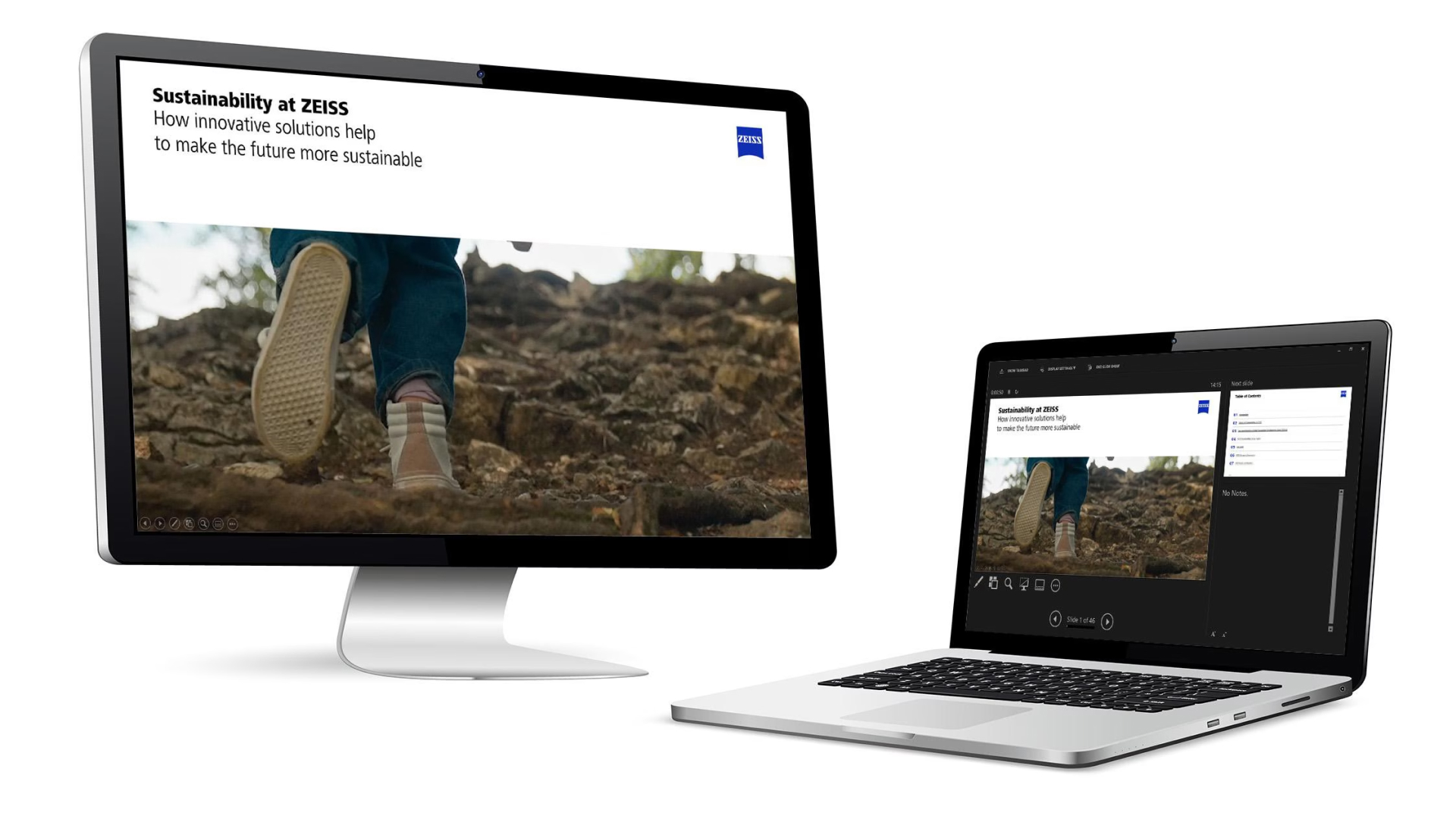
The Sustainability at ZEISS presentation is currently being revised. A revised version of the presentation will be available in the summer.
Various materials, such as quotes and infographics applicable to the three focus topics of climate protection, circular economy, and added value for society, are also available for communication purposes.
Background & current commitments and goals
Human-caused greenhouse gases are the main cause of climate change
There is an overwhelming consensus among the scientific community (98%) that human activities are the leading cause of the Earth‘s warming in recent decades
Since the industrial revolution CO2 levels have risen by 30%
Carbon emissions are causes for global warming, warmer and higher oceans and threats to communities
(Source: UN Intergovernmental Panel on Climate Change, IPCC)

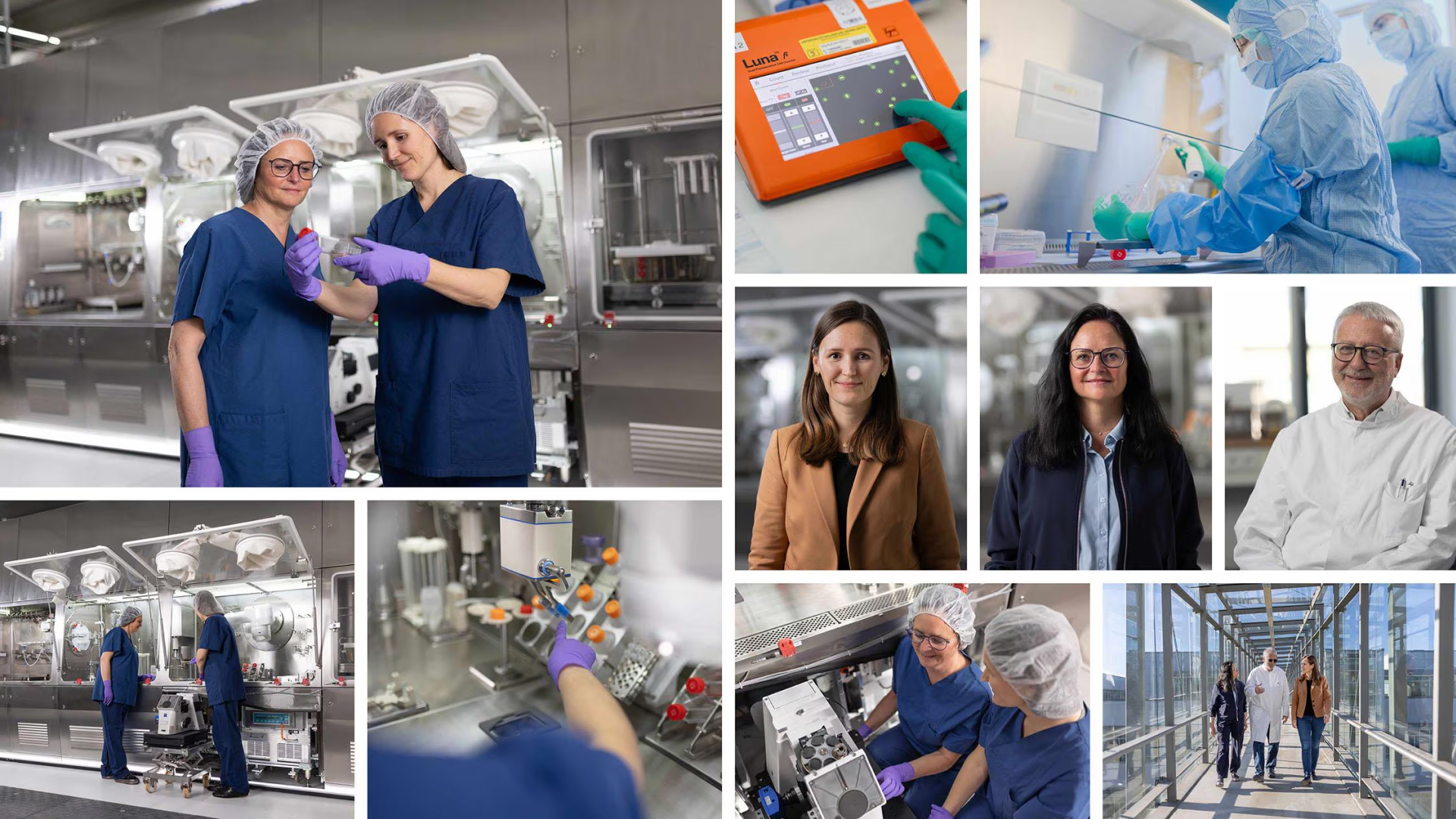
The new Optima Pharma ProCell, powered by ZEISS microscopy technology, represents a major advancement in automated CAR-T cell manufacturing. In collaboration with the Bosch Health Campus and Heidelberg University Hospital, ZEISS is helping to make personalized cancer therapies faster, safer, and accessible to more patients.
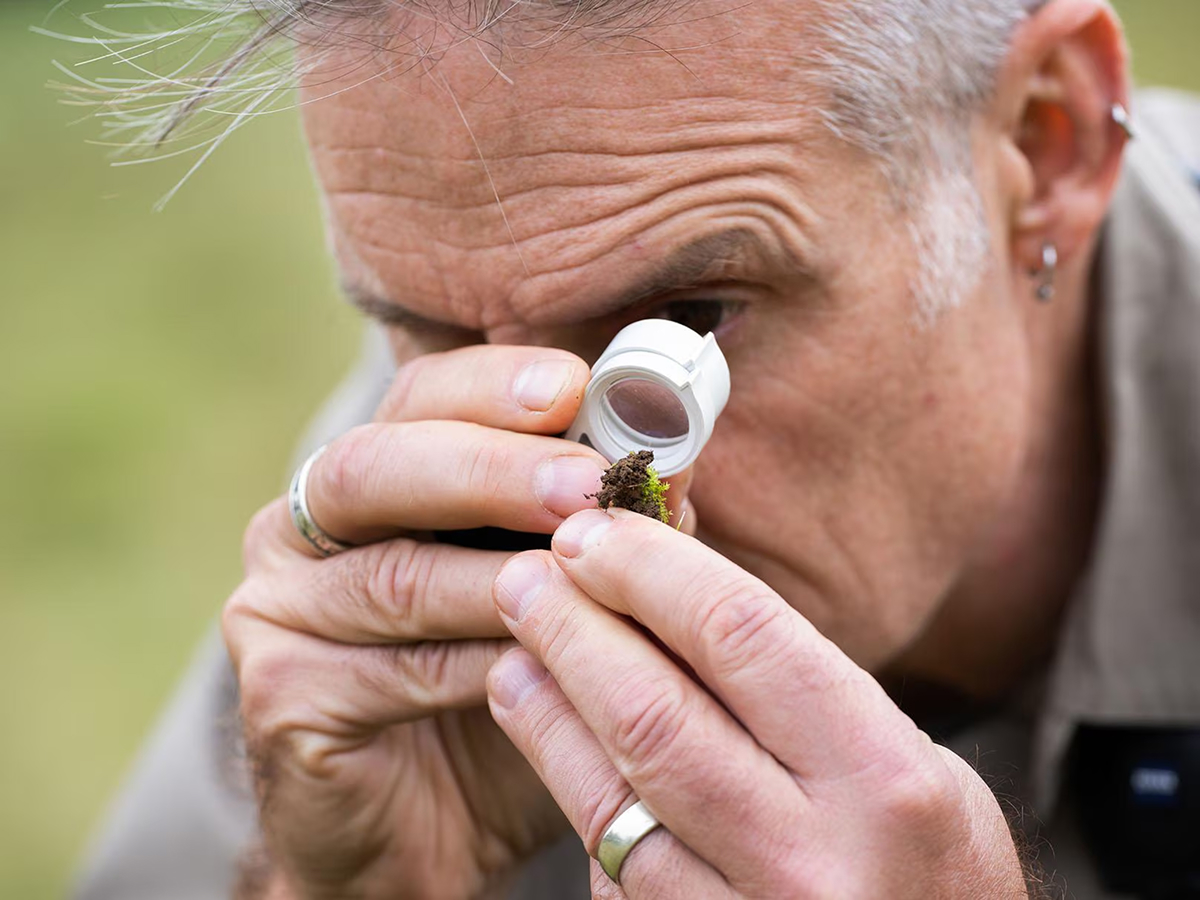
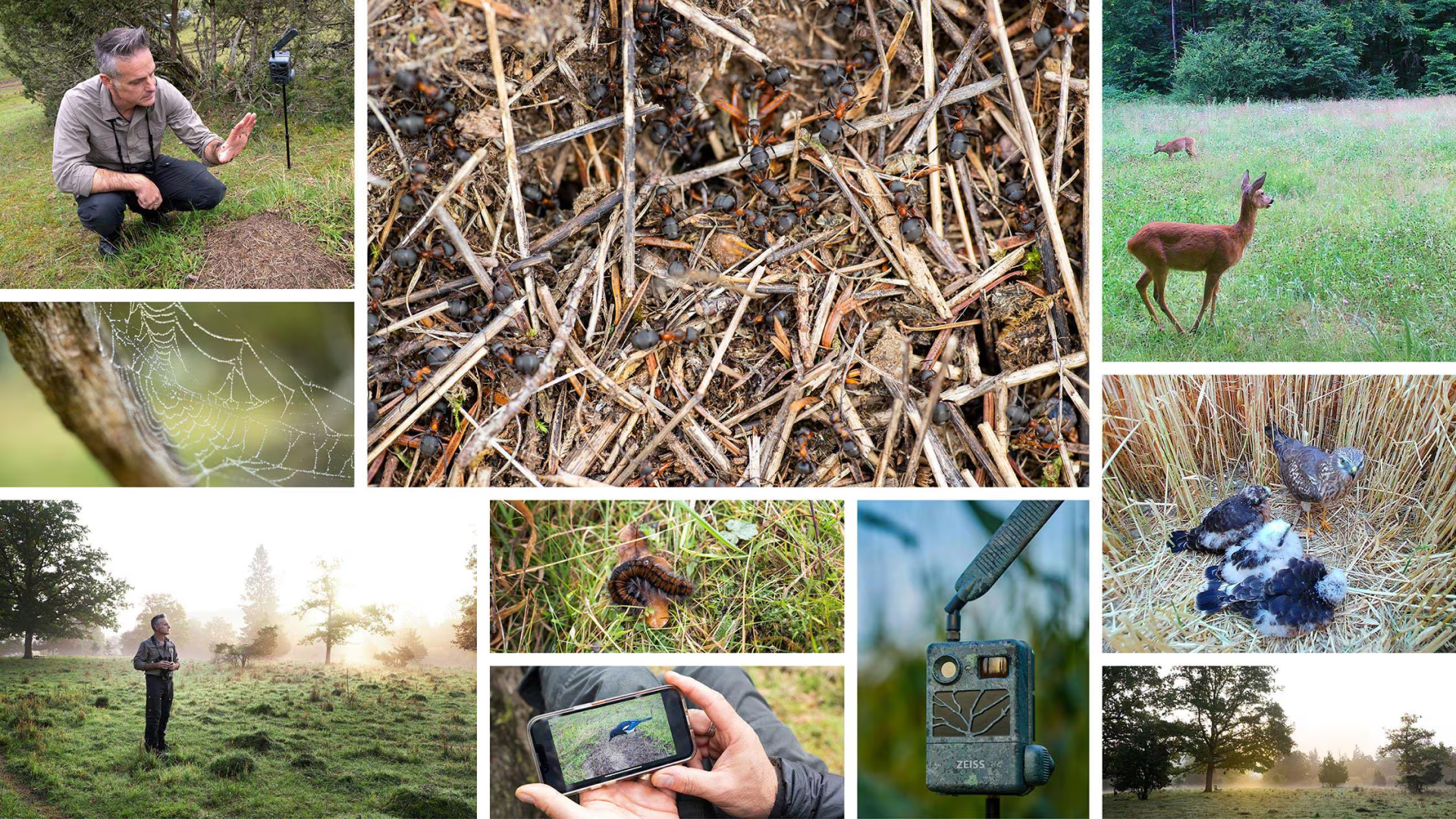
In the Dellenhäule nature reserve in southern Germany, ZEISS joins naturalist and TV presenter Nick Baker in the Ant City – a vast network of sandy mounds built by millions of tiny forest dwellers. Equipped with his ZEISS binoculars and magnifying glass, Baker explores the world of ants and shows how the smallest creatures tell the biggest stories. Modern ZEISS technology plays a crucial role.
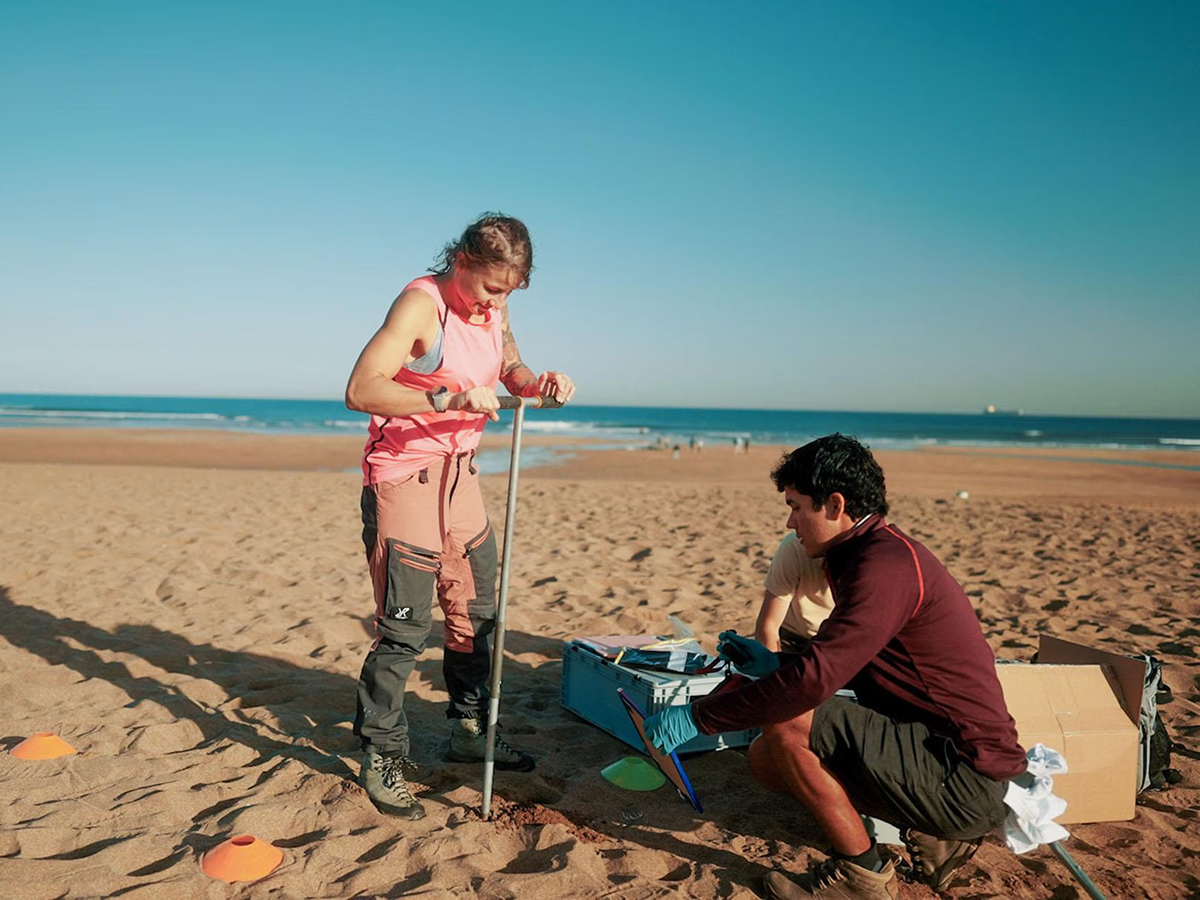
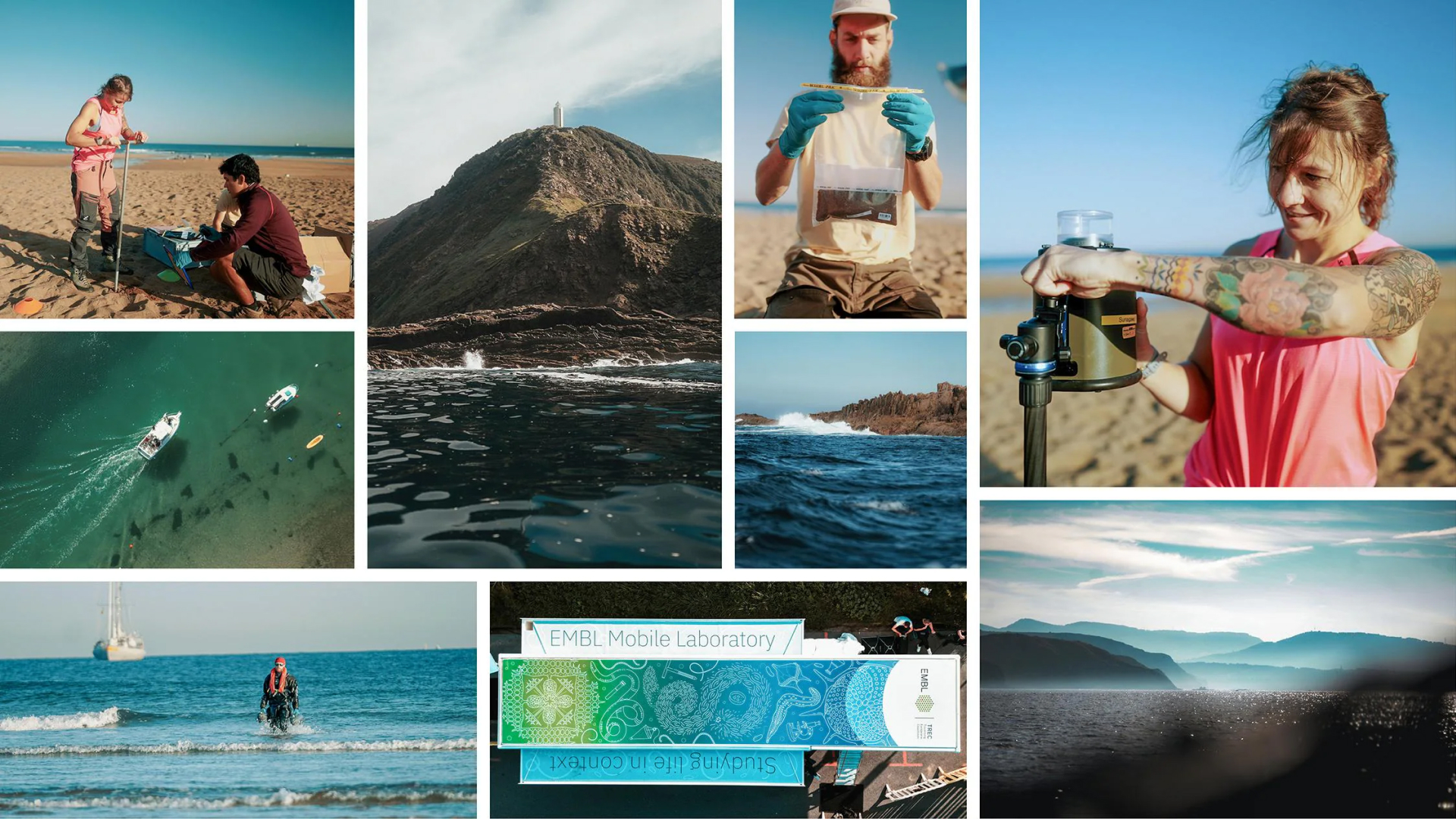
A habitat rich in biodiversity – To gain a better understanding of humans' impact on European coasts and oceans, ZEISS supports EMBL on the unique research expedition TREC (Traversing European Coastlines) across Europe.

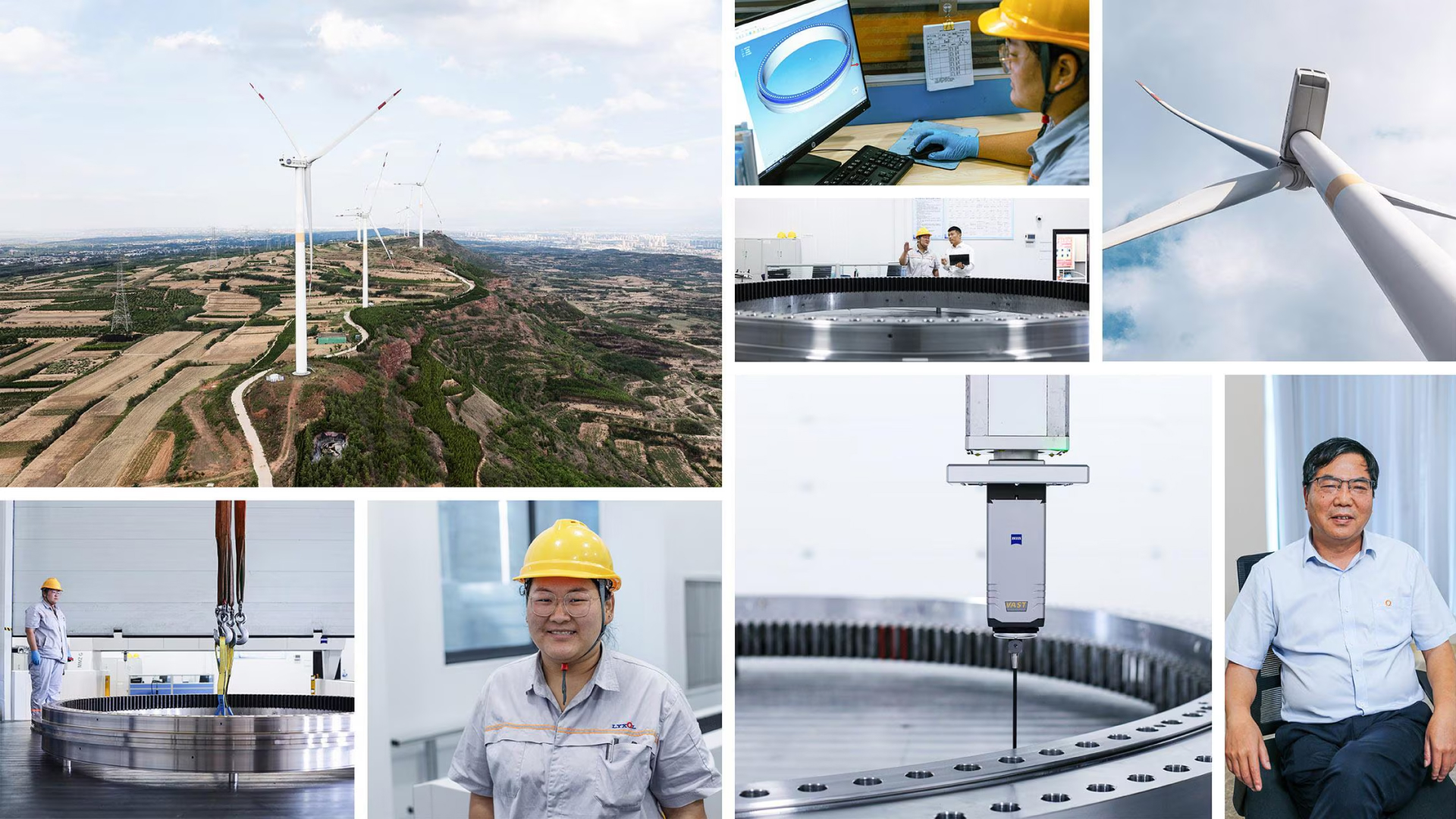
ZEISS Industrial Quality Solutions (IQS) is making its contribution to enhancing the wind energy industry in China. Turbines in China's wind parks must be able to withstand extreme weather conditions. The manufacturing of relevant components, such as large turbine components, therefore requires the highest precision. The company Luoyang Xinqianglian Slewing Bearing Co., Ltd (LYXQL) builds slewing ring bearings, which are the centrepiece of the turbines, and relies on metrological solutions from ZEISS. ZEISS employees and LYXQL explain how it will be able to contribute to the energy transition.

Dr. Nicole Ziegler, Head of Sustainability, ZEISS Group

Dr. Benjamin Viering, Member of the Management Board & COO of ZEISS Vision Care

Andreas Hack, Managing Director of Carl Zeiss Energie GmbH
Background & current commitments and goals
Currently about 2 billion tons of waste are produced worldwide per year.
The overexploitation of natural resources required to achieve economic growth and development has negatively impacted the environment.
In 2020 the world was only 8.6% circular (circle-economy.com).
A circular economy is an economic system of closed loops in which raw materials, components and products lose their value as little as possible, renewable energy sources are used and systems thinking is at the core.
Goal: To conserve natural resources & ensure people and the environment are protected in the generation and management of waste.
(Source: The World Bank)

Andreas Pecher, CEO ZEISS Group

Silvia Zenner-Gellrich, Corporate Sustainability Manager – Circular Economy
Background & current commitments and goals
There are many people in the world, especially in poorer regions, where people are suffering in terms of health, and cannot help themselves.
As a foundation company, ZEISS has a responsibility to care for the environment and thus also for the people living near its sites, which means supporting them and improving the overall well-being of humanity.
ZEISS contributes to creating a sustainable society that will provide as many people as possible with access to education, high-quality healthcare and rewarding job opportunities with good and safe working conditions.
It is our clear goal to:
provide a significant dividend contribution to the Carl Zeiss Foundation – to support an open environment for scientific breakthroughs.
practice corporate responsibility and contribute to public value.
actively engage in public health, nature protection and a variety of social causes.

50% of the world’s population could be myopic by 2050. We met a family in China, where prevalences are especially high. Both children, Aidan and Reese Zhong, were diagnosed with progressive myopia, a special form of nearsightedness, which is characterized by the fact that it gets worse over the years. ZEISS is committed to supporting myopic children with single vision eyeglass lenses that help to correct their vision or myopia management solutions including special eyeglass lenses for those who are affected by the progressive form of nearsightedness.


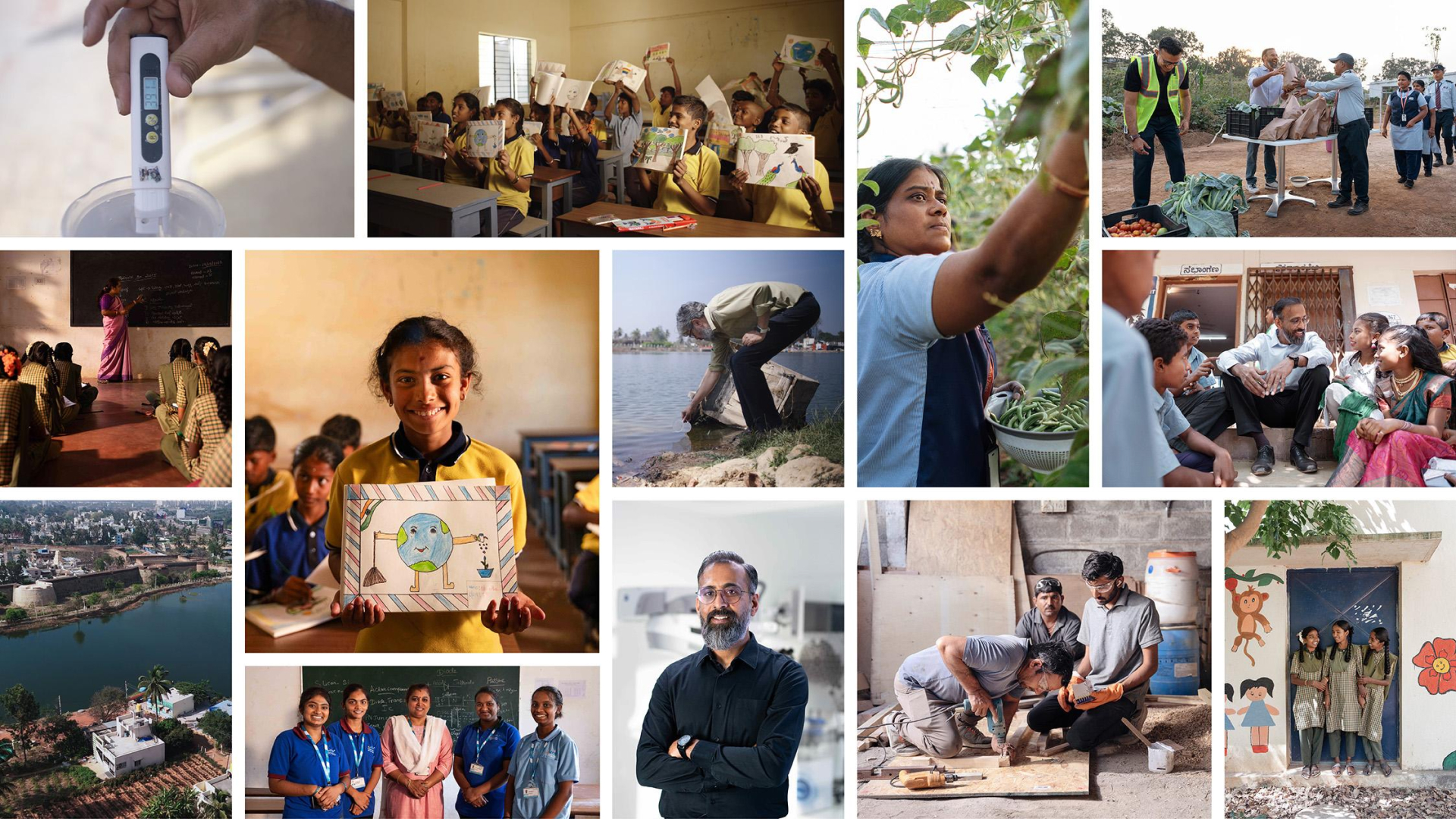
At ZEISS, dedicated employees show their support for sustainability through various initiatives. To mark Earth Day, ZEISS is showcasing a series of projects that encourage environmental awareness. For example, ZEISS employees in India are helping to make school desks out of recycled materials and have installed a filter system to provide the residents of Devanahalli with clean drinking water.

Dr. Roya Akhavan, Project Lead for Sustainability

Joachim Kuss, Head of Communications, ZEISS Consumer Markets Segment
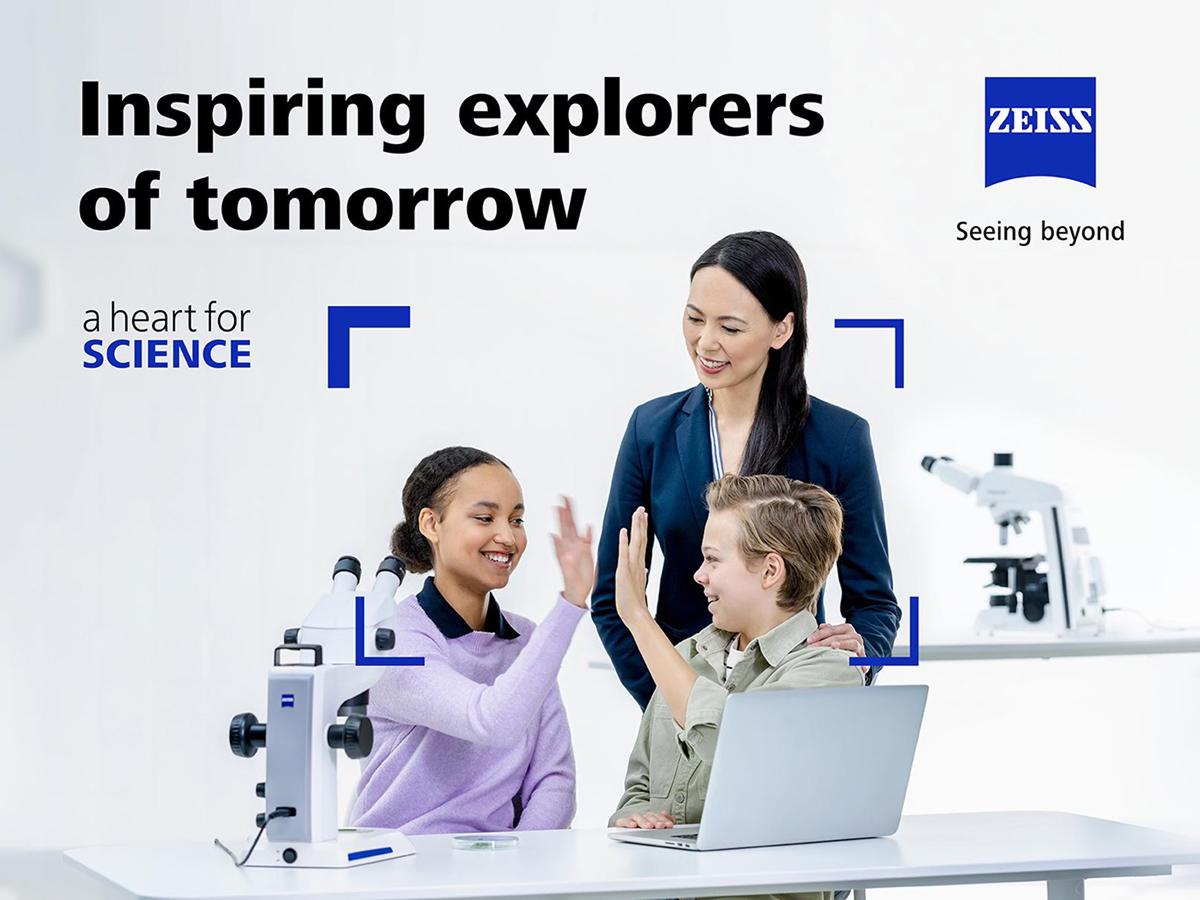
The international ZEISS initiative "A Heart for Science" aims to encourage young people aged 12 to 18 to get into science and technology
The focus is on corporate volunteering, which offers all employees an opportunity to get involved, for example by giving talks, running workshops, or organizing events
The aim of the initiative is to develop and bolster the promotion of STEM at ZEISS, which has had systems in place for this for many years
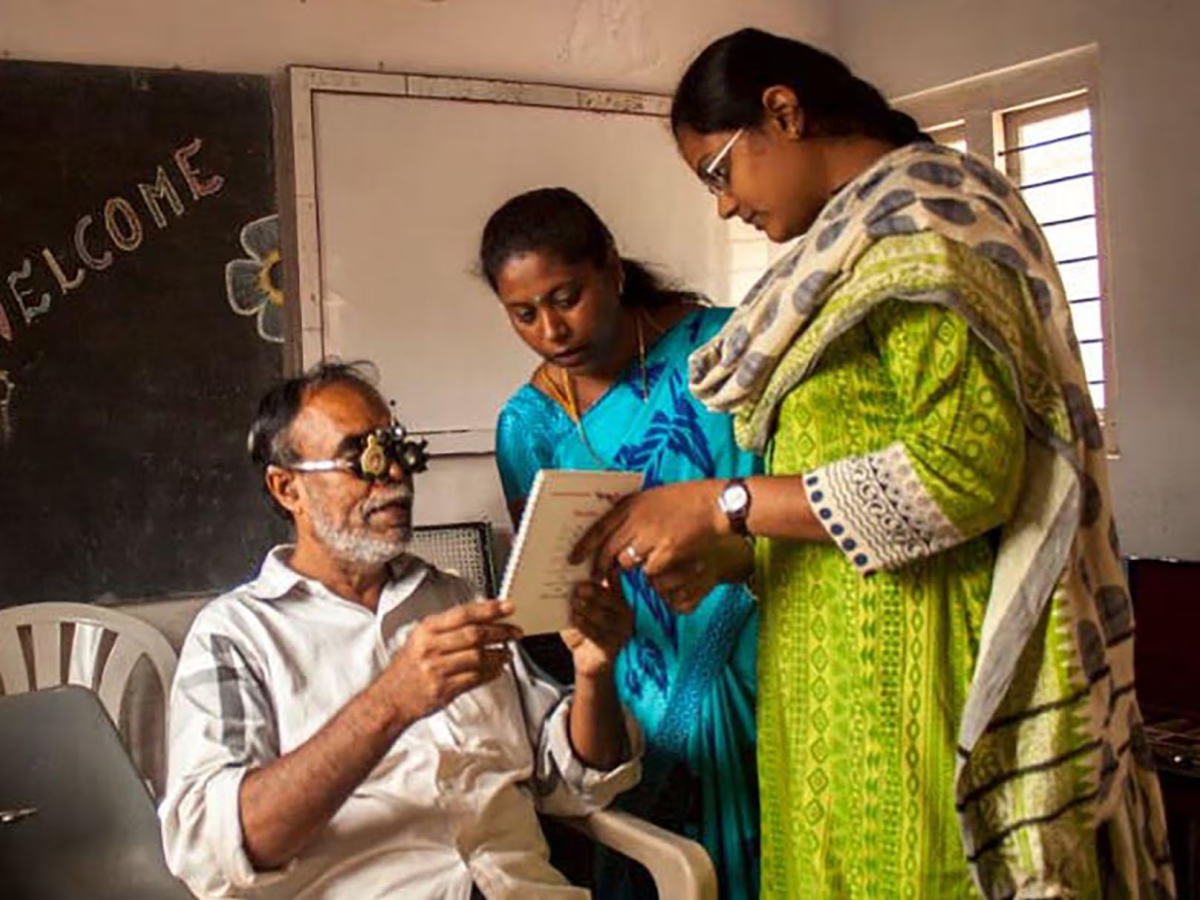
Since 2015, ZEISS has been establishing basic eyecare in remote parts of India
Several thousands of eye exams were performed every month & patients received eyeglasses or medical care
The focus will be on raising awareness for visual impairments and the associated need for eyeglasses
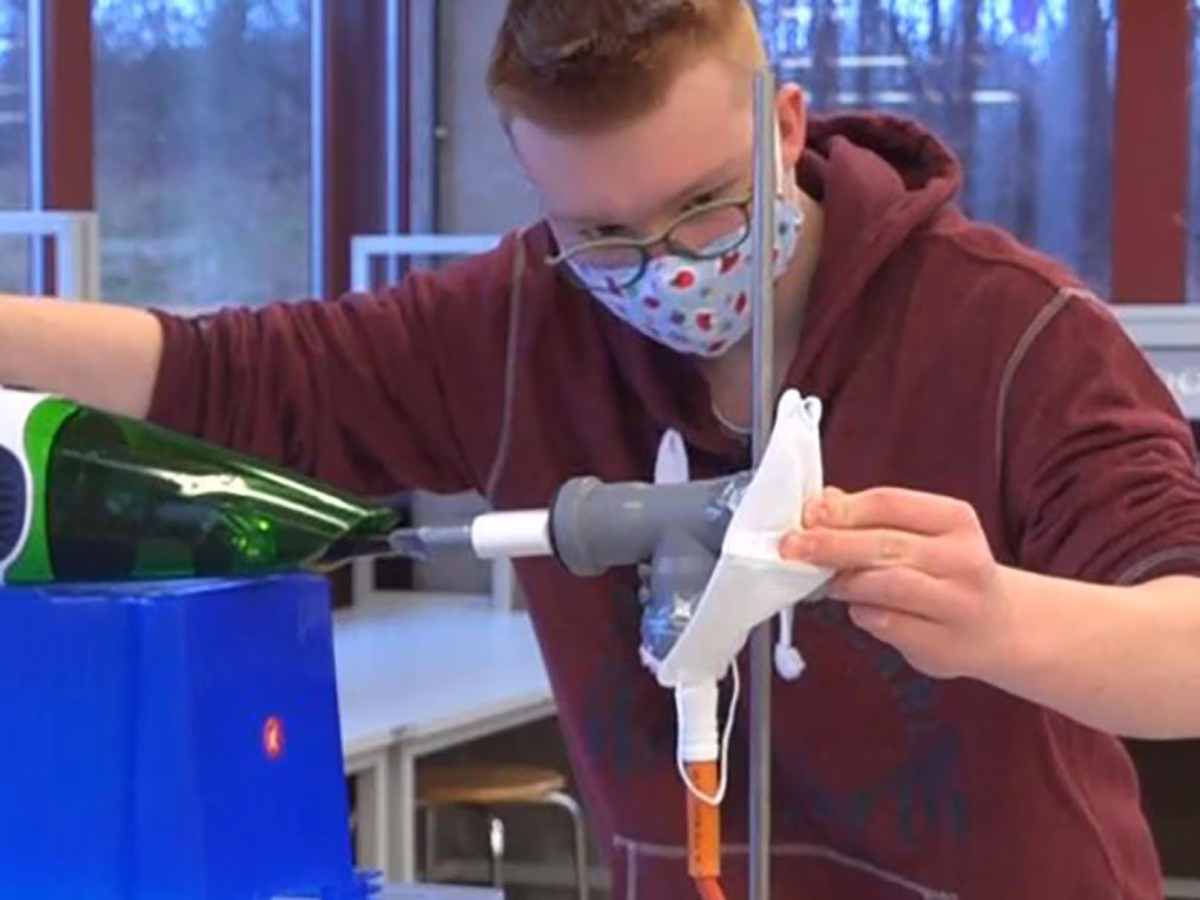
Jugend forscht is considered Germany's best-known competition for young scientists and engineers in science and technology.
In collaboration with ZEISS, the final round of the East Württemberg Regional Competition of Jugend forscht was held at Aalen University
Projects in the following categories: World of Work, Biology, Chemistry, Geography/Space Sciences, Mathematics/IT, Physics and Technology
Some of the ZEISS Beyond Talks are focused on sustainability. You can leverage the prepared assets on your SBU's and SSC's channels as well.

No greenwashing

No changing/distorting the quotations

No additional icons
Corporate Brand, Communications & Public Affairs